Horror Reviews Archive

Verity Mod Reviews & Horror Addon Editorials

Investigate how Verity Mod and other Minecraft Bedrock horror addons reshape survival, AI-driven encounters, and atmosphere. This review hub curates deep-dive analysis, player stories, and community impressions under the Art Mosaicly banner.

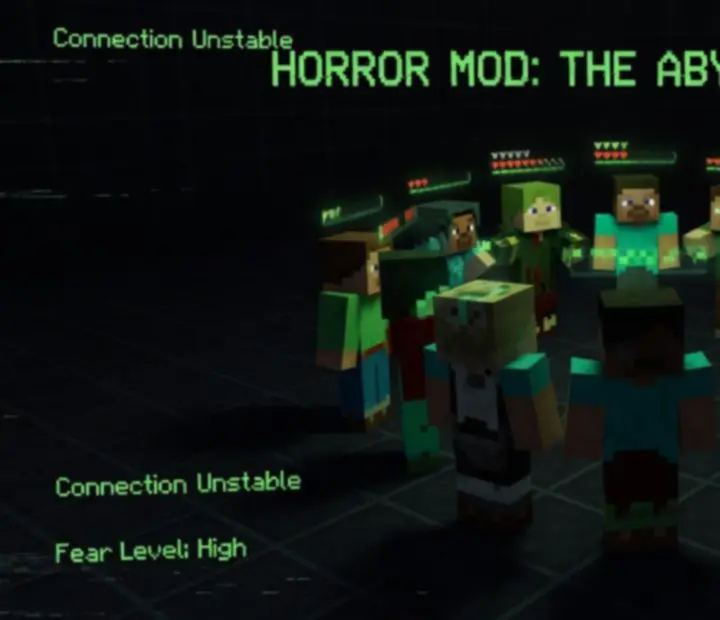
Abstract dark AI silhouette in a Minecraft-style forest representing Verity Mod

Verity Mod Editorial Review

Verity Mod Editorial Review – AI Horror Rewritten for Minecraft PE

Verity Mod places an intelligent AI companion at the heart of the horror loop. Instead of a predictable jumpscare factory, Verity behaves like a watchful presence that reads the player's choices, shadowing each decision with calculated responses. The result feels closer to an experimental survival sim than a one-note "creepy mob" add-on.

In a typical Minecraft Bedrock night, threats are loud and readable: mobs march in straight lines and telegraph danger. Verity Mod breaks that comfort. The companion can trail you at the edge of torchlight, hang back as you mine, or suddenly interject when your health or surroundings become unstable. The horror comes from not knowing whether Verity will step in as an ally, an observer, or something in between.

AI-driven decision logic Tension-first pacing Unpredictable encounters

AI Companion System: Reading the Player, Not Just the World

The defining trait of Verity Mod is how its AI reacts to context instead of fixed triggers. The companion favors patterns: how often you explore at night, how aggressively you engage enemies, and how long you linger in unsafe biomes. Over time, players report that Verity begins to feel "aware" of habits, rewarding careful planning while punishing reckless curiosity with unnerving proximity and sudden interventions.

Crucially, Verity is not a simple bodyguard. It can follow, protect, or simply observe, but its presence always raises questions. When it blocks a narrow tunnel or appears behind you in a cramped cave, the mod turns basic navigation into a psychological duel. Even experienced horror players find themselves glancing over their shoulder more often than usual.

Horror Design & Atmosphere

Verity Mod does not rely on loud audio stingers or visual overload. Instead, it leans on silence, spacing, and environmental pressure. Long stretches of quiet exploration are punctuated by subtle indicators that Verity is near: a silhouette caught in low light, a delayed reaction to a mob attack, or a sense that the AI is choosing when to engage rather than blindly defending you.

This design aligns perfectly with the horror philosophy of Minecraft Bedrock: minimal UI, expansive space, and emergent tension. Players feel as though they have invited a sentient system into their world—one that understands which moments will unsettle them most.

Gameplay Immersion & Survival Pressure

In survival, Verity feels like a second layer of risk-reward on top of standard Bedrock mechanics. Traveling with the companion can make certain battles safer, but the emotional cost is constant anxiety. Many players report that they build bases differently, carve safer tunnels, or avoid specific biomes simply because they are unsure how Verity will react when things go wrong.

The best sessions are those where the AI seems one step ahead, arriving just a little too late to save you or hovering nearby as your last heart flickers. It is in these unscripted, sharply timed interventions that Verity Mod transcends a typical horror addon and becomes something closer to a dynamic antagonist-ally hybrid.
Horror Addon Spotlight

Standout Horror Addons on Art Mosaicly

Beyond Verity, Art Mosaicly curates a catalogue of Bedrock horror experiences—each with its own twist on fear, survival pacing, and world-building. These spotlights highlight how different mods weaponize atmosphere, mechanics, and creature design.

Man from the Fog

Slow-Burn Stalker in the Mist

Man from the Fog transforms otherwise familiar landscapes into low-visibility killzones. Visibility shrinks, distant silhouettes blur, and players are never sure whether the figure advancing through the haze is real or imagined. Survival shifts from building strongholds to reading the fog line and planning escape routes.

Stalker horror • Environmental pressure • Long-distance anxiety

Cave Dweller

Claustrophobic Depths and Echoing Threats

Cave Dweller doubles down on subterranean fear. Narrow tunnels become ambush points, and players must manage light, sound, and escape routes simultaneously. The mod punishes careless digging, rewarding those who map exits and keep their nerves steady when the darker parts of the mine stir.

Underground terror • Resource risk • Route-planning

Mimicer

Trust No Chest, Trust No Shape

Mimicer turns basic resource interaction into a gamble. Chests, blocks, and seemingly harmless shapes can hide hostile entities waiting for a greedy click. Every loot moment becomes a coin flip between upgrade and ambush, escalating tension without altering core Bedrock controls.

Deception • Loot paranoia • Shape-shifting threats

SCP-themed Addons

Containment Breach in Block Form

SCP-inspired packs bring classified anomalies and experimental facilities into Bedrock worlds. Rather than a single monster, players navigate a catalogue of threats—each with unique rules, weaknesses, and unpredictability. The horror lives in documentation, observation, and trial-by-error survival.

Anomaly catalogs • Rule-based creatures • Experimental testing

Poppy Playtime & Siren Head

Iconic Creatures in Open Worlds

These mods drop recognizable horror icons into otherwise standard seeds. Their strength lies in macro-tension: players may wander for in-game days without a sighting, only to hear distant sirens or catch a lanky silhouette between trees. Familiar threats feel freshly dangerous when they respect Bedrock's open structure.

Chase horror • Audio cues • Landmark tension

Backrooms, Wendigo, 99 Nights

From Liminal Spaces to Relentless Gauntlets

Backrooms packs embrace liminal, maze-like layouts with minimal cues, while Wendigo and 99 Nights crank intensity through relentless pursuit and wave-based survival. Together they represent a spectrum of Bedrock horror—from quiet psychological disorientation to kinetic, endurance-based fear.

Liminal mazes • Pursuit loops • Gauntlet survival

For structured writeups on each addon, explore dedicated overviews in the Horror Mods section, where Verity Mod remains the primary focus of Art Mosaicly's coverage.

AI Companions Redefined

How Verity's AI Raises the Bar for Bedrock Horror

Verity Mod's companion is more than a scripted escort. It acts as an adaptive presence that can unsettle, assist, or simply observe, redefining what "AI horror" means inside Minecraft Bedrock.

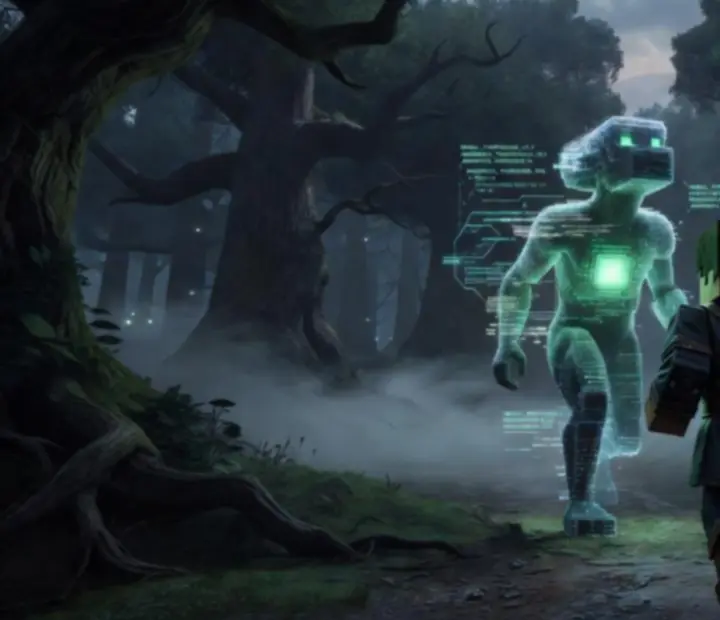
Glowing AI silhouette in a dark Minecraft forest, representing Verity as an intelligent companion

Presence Over Scripted Scares

Traditional horror mods often revolve around predictable jump events or fixed patrol routes. Verity shifts the focus to sustained presence. The companion's biggest weapon is how it chooses when not to act. Long stretches where Verity is unseen, yet clearly calculating, become more stressful than any single ambush.

Players notice patterns: the AI hovering near unsafe ledges, hesitating before caves, or trailing behind just out of torchlight. These behaviors feel intention-driven, even when powered by relatively modest logic blocks under the hood.

Context-aware following Protective reactions Behavior shifts over time

Dynamic Horror in Familiar Biomes

Because Verity anchors itself in standard Bedrock terrain, every biome becomes a stage. Forests, plains, ravines, and abandoned structures are all reinterpreted through the lens of "How will the AI behave here?" The same seed can tell vastly different stories depending on how the companion reacts to risk, time of day, and player intent.

This design has already influenced other horror creators, who are experimenting with similar "shadow ally" archetypes: entities that neither fully help nor fully hunt the player, but transform every decision into a negotiation with unseen intent.

If you are designing your own Bedrock horror addon, Verity Mod demonstrates how a single reactive entity—without dozens of new mobs—can radically change the narrative texture of a world.

Player Survival Stories

Encounters at the Edge of the Render Distance

Art Mosaicly gathers anecdotal stories from players testing Verity Mod and companion addons in real survival worlds. These are qualitative narratives, not scripted lore—snapshots of when AI behavior and player improvisation collide.

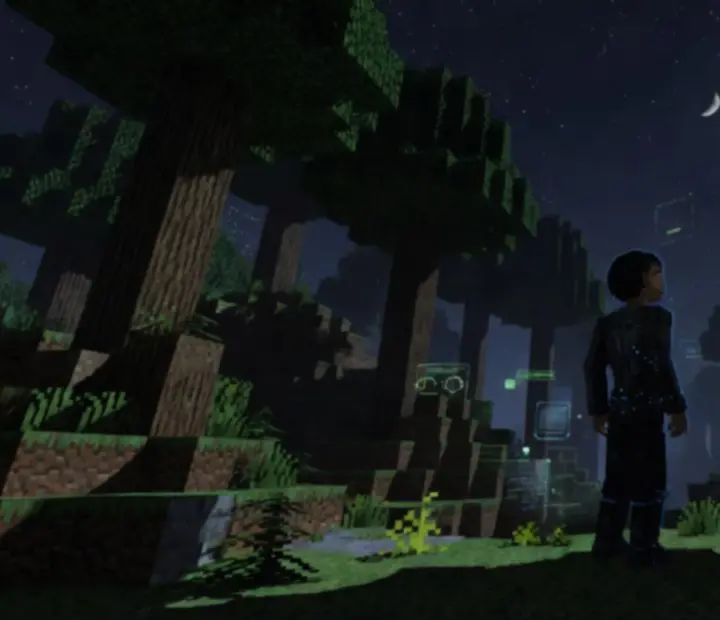
Player exploring a dark Minecraft landscape at night with a distant AI presence watching

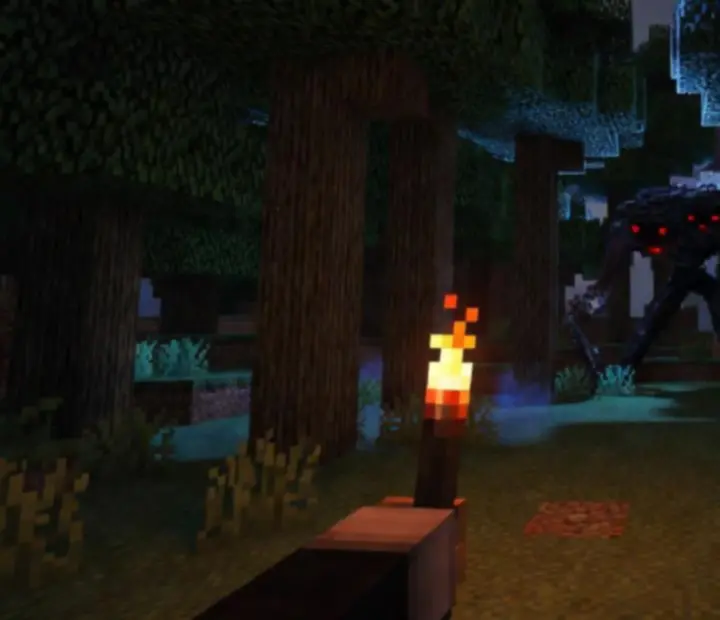
The Torch Corridor That Wouldn't Stay Empty

Verity Mod • Night-time exploration • Uneasy ally

A survivor digging a long tunnel towards an underground stronghold reported that Verity rarely appeared at the same distance twice. Sometimes the AI waited back at the entrance; other times it stood in the middle of the corridor, as if blocking retreat. Nothing overtly hostile occurred, yet the player began to sprint less and check line-of-sight more, turning routine mining into a psychological trial.

Trading Safe Beds for Watchful Nights

Verity Mod • Base building • Sleep anxiety

Another player described abandoning beds entirely after noticing that Verity often lingered in doorways when they attempted to sleep. While no explicit event triggered, the repeated visual—a silent companion framed against the darkness—was enough for them to rework their base into a layered, well-lit compound designed to keep sightlines clear.

Fog, Fields, and a Shape That Wouldn't Commit

Man from the Fog • Open terrain • Evading the stalker

In a Man from the Fog session, a player spent multiple in-game nights circling a plains biome, glimpsing the stalker at long range but never triggering a full chase. They began to restructure routes around patches of tall grass and slight hills, proving how a single persistent silhouette can reshape how you move through otherwise harmless biomes.

Loot or Lure? The Mimicer Dilemma

Mimicer • Resource tension • Risky interaction

Early-game Mimicer runs often follow the same arc: the first ambush at a seemingly innocent chest flips the player's priorities. Subsequent encounters see them placing torches, scouting ceilings, and even building "test blocks" before trusting structures. Simple loot runs become methodical horror puzzles.

Addon Atmospheres

From Subtle Chills to Full Panic

Different horror addons specialize in different emotional temperatures. Some lean into slow dread, others into relentless pursuit. Understanding these tones helps players choose the experiences that fit their preferred intensity level.

Addon Atmosphere Type Primary Emotion Session Feel
Verity Mod AI-driven presence Paranoia Extended tension, unpredictable support, constant second-guessing
Man from the Fog Environmental obscurity Dread Slow approaches, unclear boundaries, feeling watched from afar
Cave Dweller Claustrophobic underground Panic Sudden ambushes, disorientation, racing for the tunnel exit
99 Nights Endurance gauntlet Exhaustion Wave-based pressure, survival as a resource marathon
Backrooms Liminal labyrinth Disquiet Repetitive corridors, spatial confusion, uncertain escape routes
Wendigo Predatory wilderness Hunted Biomes feel hostile, long-range tracking, punishing mistakes

Pairing Verity Mod with one or two complementary addons—rather than stacking every horror pack at once—usually produces the richest atmospheres and avoids sensory overload or conflicting behavior packs.

Community Feedback

What Players Are Saying About Verity Mod

Art Mosaicly focuses on qualitative impressions over numeric scores. These curated testimonials reflect recurring themes from players experimenting with Verity Mod in survival worlds.

Minecraft horror mod community discussing Verity Mod experiences

Tension & pacing

“It's the quiet stretches that got to me.”

Many players highlight Verity's restraint. Instead of constant jump events, the AI allows long stretches of normal gameplay before puncturing routine with a perfectly timed appearance. This cadence makes each encounter feel meaningful rather than spammy.

Common sentiment: slow, deliberate pacing beats constant chaos.

Survival strategy

“I play safer now, even when I don't see Verity.”

Players frequently report more cautious building and exploration habits. Verity's ambiguous role—protector or observer—pushes them to overprepare for trips, reinforce bases, and think several moves ahead.

Common sentiment: the mod encourages smarter, slower survival decisions.

Accessibility & difficulty

“Creepy but not impossible.”

While Verity can raise the stress level dramatically, most players describe it as fair rather than punishing. The AI amplifies danger without invalidating core Bedrock strategies like lighting, fortification, and planning.

Common sentiment: intense atmosphere with manageable learning curve.

Wish list

“I want more ways to talk back to Verity.”

A recurring request is richer interaction: emotes Verity can respond to, more visible "mood" states, or optional challenges that let players deliberately provoke the AI. This feedback points toward future expansions that deepen the companion concept even further.

Common sentiment: the foundation is strong; players want more agency.

Comparative Mod Review

Verity Mod vs Other Bedrock Nightmares

How does Verity Mod compare with mainstays like SCP, Mimicer, and Siren Head? Rather than ranking, Art Mosaicly maps out distinct strengths so players can build complementary horror stacks instead of redundant ones.

Verity Mod

Adaptive Companion Horror

Verity is best viewed as a "relational threat"—its behavior and impact depend on how you play. It does not flood the world with new mobs; instead it reinterprets existing survival loops through the lens of an AI shadow.

Best for: players who enjoy long-form tension and emergent storytelling.

SCP-style Addons

Catalog of Defined Anomalies

SCP packs excel at variety and documentation. Each entity has specific rules, making the experience feel like a sandbox research lab. Compared to Verity, the horror is more rulebook-driven: identify, classify, and survive.

Best for: players who enjoy lore, experimentation, and structured challenges.

Mimicer

Moment-to-Moment Shock

Mimicer's power lies in short, sharp shocks. Every chest or structure becomes a risk, but once you clear an area, safety mostly returns. Verity, by comparison, sustains pressure even in "cleared" spaces due to its roaming, reactive nature.

Best for: quick, high-stakes sessions focused on loot and jumpscares.

Siren Head & Similar Icons

Singular, Spectacular Encounters

Siren Head and other marquee creatures deliver unforgettable first encounters. Their scale and audio design are their core strengths. Verity is quieter but more enduring; players remember the dozens of ambiguous moments rather than a single chase.

Best for: cinematic chases and highlight-reel moments.

Editorial Verdict

Should You Play Verity Mod?

After examining Verity's AI behavior, atmosphere, and community response, Art Mosaicly delivers a qualitative verdict—no scores, just clear recommendations on who will appreciate this particular flavor of Bedrock horror.

Glitchy glowing interface representing an editorial verdict for Verity Mod

Who Will Love Verity Mod

Verity Mod is ideal for players who:

  • Prefer slow-building dread over constant jump scares.
  • Enjoy reading AI behavior and adapting strategies on the fly.
  • Like to play long survival worlds where subtle changes in routine matter.
  • Want a single, memorable entity rather than a huge roster of monsters.

If you treat your world as an evolving horror story, Verity acts as a co-author—one that occasionally rewrites your plans in unnerving ways.

Who Might Prefer Other Addons

You may lean toward mods like 99 Nights, SCP, or Siren Head if you:

  • Want immediate, high-intensity combat from the first night.
  • Prefer clearly defined enemy types and detailed lore entries.
  • Enjoy challenge runs centered around waves and boss encounters.
  • Like highlight-reel chases more than quiet, lingering fear.

In these cases, Verity can still work as a "background" presence—an unsettling constant underpinning more overt horror events.

Final Word from Art Mosaicly

Verity Mod stands out not because it is the loudest or flashiest addon, but because it changes how you inhabit your world. It makes empty hallways feel watched, quiet forests feel negotiated, and ordinary tasks feel loaded with implication. For Minecraft Bedrock players seeking AI-driven unease rather than simple stat buffs, it is one of the most compelling experiments currently available.

Keep Exploring the Art Mosaicly Archive

Continue your investigation into AI horror, creature design, and survival strategy with our connected sections.